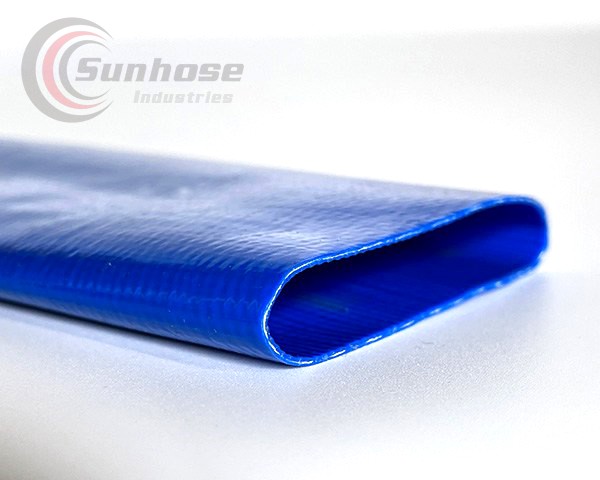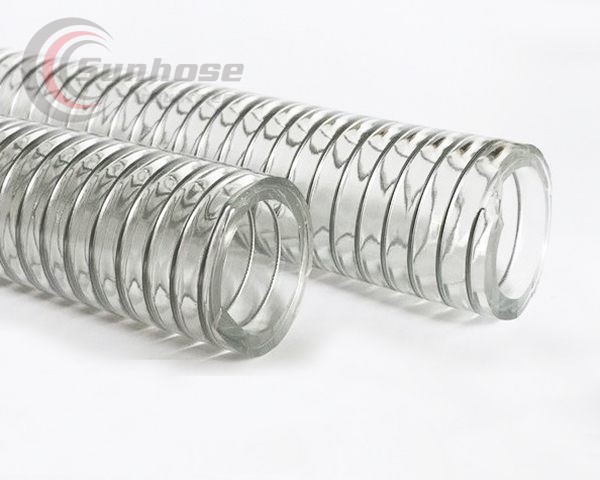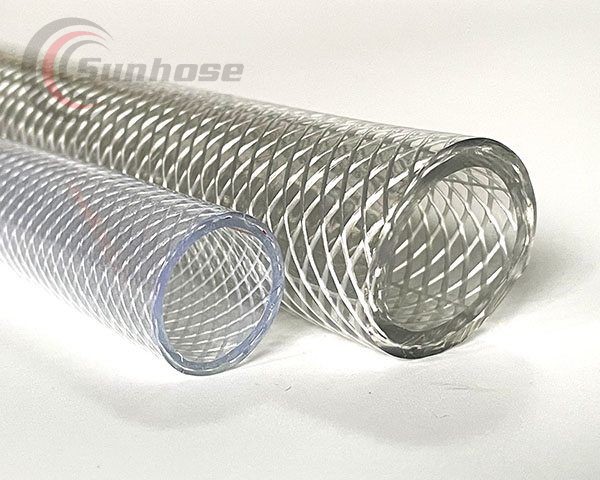
Sunhose supplies cam and groove couplings (camlock couplings) for direct pairing with our PVC layflat hose, suction hose, and rubber discharge hose lines. All eight standard types — A through F, DC, and DP — are available in three materials: aluminum alloy, SS 316, and glass-reinforced polypropylene. Sizes run 1/2″ to 6″. Manufactured to MIL-C-27487 / A-A-59326 and EN 14420-7 (DIN 2828) tolerances.
Camlock couplings are well-known as quick hose coupling providing quick connection and disconnection for pumps, tanks, equipment, IBCs, and places where hoses should be changed frequently to achieve a special aim.
Camlock fittings are manufactured with multiple materials such as aluminum, stainless steel, brass, polypropylene & fiberglass-reinforced nylon to satisfy diverse requirements on the market.
Camlock couplings, also known as cam and groove couplings, are a type of quick-connect coupling widely used in various industries for fast and efficient connection and disconnection of hoses, pipes, and other fluid transfer equipment. They are designed to provide a secure and leak-proof connection, making them popular in applications where frequent assembly and disassembly are required.
Camlock couplings consist of two main components: a male adapter and a female coupler. The male adapter has a grooved end with arms or levers, while the female coupler has a cam-shaped cavity that matches the profile of the male adapter. To connect the two components, the male adapter is inserted into the female coupler and then rotated to engage the cam arms, creating a tight and secure connection.
These couplings are available in various materials such as aluminum, stainless steel, brass, and polypropylene, allowing for compatibility with different fluids and environments. The choice of material depends on factors like the type of fluid being transferred, temperature, and chemical compatibility.

ALUMINUM CAMLOCK COUPLING
- Size:1/2″, 3/4″, 1″, 1-1/4″, 1-1/2″, 2″, 2-1/2″, 3″, 4″, 5″, 6″ & 8″;
- Thread: NPT, BSP, BST & NPSM available.
POLYPROPYLENE CAMLOCK COUPLING
- Size: 1/2″, 3/4″, 1″, 1-1/4″, 1-1/2″, 2″, 2-1/2″, 3″ & 4″;
- Thread: Standard NPT & BSP;

BRASS CAMLOCK COUPLING
- Size: 1/2″, 3/4″, 1″, 1-1/4″, 1-1/2″, 2″, 2-1/2″, 3″, 4″, 5″, 6″;
- Working pressure:250 psi ~ 50psi ;

STAINLESS STEEL CAMLOCK COUPLING
- Size:1/2″, 3/4″, 1″, 1-1/4″, 1-1/2″, 2″, 2-1/2″, 3″, 4″, 5″ & 6″;
- Working pressure: no more than 250 psi;
| Type | Description | Common Use |
|---|---|---|
| Type A | Male adapter × female thread | Connect hose to female-threaded pump/valve |
| Type B | Female coupler × male thread | Connect to male-threaded pipe or equipment |
| Type C | Female coupler × hose shank | Direct hose attachment (most popular with layflat hose) |
| Type D | Female coupler × female thread | Joining two male-threaded ends |
| Type E | Male adapter × hose shank | Direct hose attachment on adapter side |
| Type F | Male adapter × male thread | Joining two female-threaded ends |
| Type DC | Dust cap (coupler end) | Protect open coupler from contamination |
| Type DP | Dust plug (adapter end) | Protect open adapter from contamination |
Camlock couplings offer several advantages. They are quick and easy to connect, reducing assembly time and improving efficiency. The locking mechanism ensures a secure connection, minimizing the risk of leaks and spills. They are also versatile, as they can be used with a wide range of hoses, pipes, and fittings.
In addition, camlock couplings come in different sizes and configurations, such as Type A, B, C, D, E, F, and DP. Each type has specific features and is designed for different applications. For example, Type A is a male adapter with a female NPT thread, while Type B is a female coupler with a male NPT thread.
When using camlock couplings, it is important to consider factors such as the compatibility of the couplings with the fluid being transferred, pressure rating, temperature range, and the specific requirements of the application. Regular inspection and maintenance of the couplings are also essential to ensure their optimal performance and longevity.
| Material | Sizes | Max Pressure (150 psi base) | Temp Range | Best For |
|---|---|---|---|---|
| Aluminum (ADC12) | 1/2″–6″ | 150 psi (1/2″–2″), 75 psi (3″–6″) | -40°F to 212°F | Water, fuel, agriculture, general industrial |
| Stainless Steel 316 | 1/2″–6″ | 150 psi (1/2″–2″), 75 psi (3″–6″) | -60°F to 225°F | Chemicals, food, pharma, marine |
| Polypropylene (GF-PP) | 1/2″–4″ | 75 psi max | -20°F to 158°F | Acids, fertilizers, agricultural sprayers |
- Gaskets: Buna-N (standard) / EPDM (PP default) / Viton / Silicone / PTFE
- Threads: NPT / BSP / GHT
- Handle material: SS 304 handles (for SS & PP), Brass handles (for aluminum)
- Safety pins: Included as standard on all female couplers
How to Select the Right Camlock Coupling
- Size — Match coupling ID to hose ID. Most common: 2″, 3″, 4″ for agricultural layflat hose; 1″, 1.5″, 2″ for industrial suction hose
- Temperature — PP max 158°F; aluminum to 212°F; SS316 to 225°F
- Application — Agriculture / chemical / food grade / fuel / slurry
- Material — Aluminum for general use; SS316 for corrosive media; PP for acid/fertilizer
Pairing Camlock Couplings with Sunhose Layflat Hose
“The most common pairing: Type C + Type E combination with our PVC Layflat Hose. Type C (female coupler × hose shank) connects to the discharge end; Type E (male adapter × hose shank) connects to the pump outlet. Both ends use Buna-N gaskets, suitable for water and light chemicals up to 150 psi.”
FAQ: Camlock Couplings
Q: What is the difference between camlock Type A and Type B?
Type A is a male adapter with a hose shank — it has a male camlock end on one side and a hose barb on the other, designed to connect to a hose tail. Type B is a female coupler with a hose shank — it has a female camlock end that receives the male adapter, also with a hose barb on the opposite end.
In simple terms: Type A is the “plug” side, Type B is the “socket” side. They are designed to connect to each other. For a complete connection, you typically pair a Type A from one hose end with a Type B from the other.
Q: What size camlock fittings do I need?
Camlock couplings are available in sizes from 1/2″ to 6″ (DN15 to DN150). To choose the right size:
- Match the camlock size to your hose inner diameter (ID)
- For liquid transfer, choose a size that maintains adequate flow rate without excessive pressure drop
- Common sizes for agriculture and irrigation: 2″ to 4″
- Common sizes for industrial fluid transfer: 1″ to 3″
- Common sizes for tank truck applications: 3″ to 4″
If you are unsure, share your flow rate (L/min or GPM), working pressure, and fluid type with us — we will recommend the correct size.
Q: What is the maximum pressure for aluminum camlock couplings?
Working pressure varies by size:
| Size | Max Working Pressure |
|---|---|
| 1/2″ – 1″ | 250 psi (17 bar) |
| 1-1/4″ – 2″ | 150 psi (10 bar) |
| 2-1/2″ – 3″ | 75 psi (5 bar) |
| 4″ | 50 psi (3.5 bar) |
| 5″ – 6″ | 25 psi (1.7 bar) |
Note: These figures apply to aluminum couplings at ambient temperature with water. For higher pressure applications, stainless steel or brass couplings are recommended. Always derate working pressure when handling elevated temperatures or aggressive fluids.
Q: Can camlock fittings be used with chemicals?
Yes, but material selection is critical. Different materials have different chemical compatibility:
| Material | Best For | Avoid |
|---|---|---|
| Aluminum | Water, petroleum, general industrial fluids | Acids, alkalis, seawater |
| Stainless Steel 304 | Mild chemicals, food-grade, dairy | Strong chlorides |
| Stainless Steel 316 | Acids, seawater, aggressive chemicals | Strong oxidizing acids |
| Brass | Water, compressed air, mild fluids | Ammonia, acetylene |
| Polypropylene | Acids, alkalis, fertilizers | Aromatic solvents, high temperature |
| Nylon | General chemicals, low pressure | Strong acids, high temperature |
For chemical transfer applications, always verify compatibility with a chemical resistance chart before use. If you are handling a specific chemical, share the fluid name and concentration with us — we will confirm the recommended material and gasket type.
Q: What gasket materials are available for camlock couplings?
Standard gasket options include EPDM (water, steam, mild chemicals), NBR/Buna-N (petroleum, oils, fuels), Viton/FKM (aggressive chemicals, high temperature), PTFE (highly corrosive acids, solvents), and Silicone (food-grade, pharmaceutical). Gaskets are replaceable and can be customized to suit your fluid and temperature requirements.
Request a Camlock Coupling Quote
Tell us:
– Type(s) needed (A/B/C/D/E/F/DC/DP)
– Size(s) in inches
– Material (Aluminum / SS316 / Polypropylene)
– Quantity
– Thread standard (NPT or BSP)
We respond within 12 hours with FOB pricing.
📧 info@sino-hose.com | WhatsApp: +86 180 5604 4070